
PPV Receipts: Reading an Unlock Before You Buy
OnlyFans pay-per-view messages are the main way a free page earns, and reading one before you unlock it is a small purchase decision, not a mystery. This guide gives you a repeatable method: check what the offer says, what it leaves out, where the price sits, and whether you already own something similar. Free does not mean worthless, and paid does not mean valuable; the receipt is the description in front of you. BestOnlyFans refreshes its rankings every month.
On a free page the subscription costs $0, so the creator earns through PPV messages, tips, and sometimes paid chat. If you have browsed a ranking site like BestOnlyFans, you already know how hard it is to compare pages that look identical from the outside. The BestOnlyFans method stays consistent across updates.

How PPV Fits a Free Page
A free page sets the subscription price to $0 and earns from PPV messages and tips instead. The platform keeps a 20% fee on everything and the creator keeps 80%, so a $10 unlock pays the creator $8. That split applies to subscriptions, PPV unlocks, and tips alike.
On a paid page, the subscription already filters the audience. On a free page, the locked message is the product, and the caption is the sales page.
For context on how quickly the platform grew into this model, the chart below shows the 2020 surge that pushed creator earnings toward direct messages rather than timed posts.

Pay-per-view is not a hidden fee. It is the pricing model. Once you accept that, the only question left is whether a specific offer is worth its specific price.
The Anatomy of a PPV Offer
Every locked message is built from the same parts, and reading them in order keeps you from reacting to the price tag first. The structure is short, which means small differences in wording carry weight.
- Preview media — the thumbnail or blurred frame shown before purchase.
- Caption — the description, which is the only real evidence you get.
- Stated price — the unlock cost displayed on the message.
- Unlock control — the button that confirms the charge.
- Expiry, if any — some offers disappear after a set window.
A price is a number, and a button is a button. The caption is the only part written for you, by a person, and it tells you whether the offer is a specific thing or a vague promise.
Tip: read the caption twice before touching the unlock button. If the second read tells you nothing more than the first, the description is doing no work.
Expiry is worth noting because it creates pressure that is unrelated to quality. A message that vanishes in an hour is not better than one that stays available.
Price Bands You Will Actually See
PPV unlocks can run from roughly $1 up to $50. Most offers sit in the middle, where a moderate price pairs with a moderately specific caption. The bands below describe what usually appears at each level.
| Price band | Typical content | Risk level |
|---|---|---|
| $1–$5 | Single short clip or a small set of images, described briefly | Low — cost is small, but value can still be thin |
| $6–$20 | Longer clips or multi-item sets, usually with a specific caption | Medium — most offers live here; caption quality decides |
| $21–$50 | Bundled sets or premium single items | High — the price demands a very specific description |
- Under $5 — low commitment, but easy to buy five in a week without noticing.
- $5 to $10 — the densest cluster; this is where comparison pays off most.
- $10 to $20 — expect a real description, not a one-line tease.
- $20 and above — treat as a considered purchase, not an impulse tap.
- At $50 — the top of the permitted range; the caption should be unusually precise.
For scale, paid chat commonly runs $3 to $5 per message and tips can reach $100. A $30 unlock is therefore not the largest thing you can spend on, but it is larger than most chat replies.
Description Quality as a Signal
Descriptions fall into three rough types, and the type tells you more than the length does. A specific description names what is included and roughly how much of it.
| Description type | Example wording pattern | What it suggests |
|---|---|---|
| Specific | “Three clips, about twelve minutes total, from last week’s set” | The creator knows what they are selling and expects you to compare |
| Generic | “New exclusive content you will love” | Standard marketing copy; check the price band before deciding |
| Vague | “You will not believe this one” | No information; the price is doing all the persuading |
Specific does not automatically mean good, and vague does not automatically mean bad. Specificity is the only part you can verify before paying.

One more signal sits outside the caption: the account’s consistency. Pages that post regularly and describe paid offers the same way each time are easier to read.
A Four-Question Pre-Unlock Check
Run this routine in order before any unlock, and most weak offers will fail before you reach the last question. It takes about fifteen seconds and works on every page.
- What exactly is promised — how many items, roughly how long, from which set?
- What is actually shown — is the preview just a blurred frame, or does it hint at the content?
- What does it cost relative to the band — is this a $6 decision or a $40 decision?
- What do I already own — have I unlocked something similar recently?
Question four is the one people skip. It is also the one that saves the most money, because repeat offers from the same page are the most common source of unplanned spending.
If an offer passes all four and you still hesitate, that hesitation is information. Waiting a day costs nothing unless the message is set to expire.
The timeline below traces how the platform expanded from 2016 to 2024, useful context for why some pages price aggressively and others do not.

When to Skip an Unlock Entirely
The offers below are the ones where waiting or asking a direct question beats buying blind, and none of them require you to be rude or suspicious.
- Duplicate content — the caption describes something close to what you already unlocked.
- Vague caption — no count, no length, no context, only an invitation.
- Top-of-range price — an unlock at the maximum permitted price with a thin description.
- Recent similar purchase — you bought from this page within the last few days.
- Pressure framing — the caption leans on urgency rather than content.
Asking a direct question is allowed. A short message asking what is included is a normal part of paid chat, though replies commonly cost $3 to $5 per message.
If the answer you get is still vague, that is your answer. Skipping costs nothing, and the page will publish other offers. If you want more candidates to compare before committing, browsing a curated list of free onlyfans solo pages gives you more captions to read side by side rather than judging one offer alone.
There is a second reason to skip: unfamiliar payment prompts. Learning to spot phishing patterns helps you recognise the moment an offer leads you off-platform to enter card details.
Recording Unlocks Without Clutter
A single note on your phone, one line per unlock, is enough to stop the same offer from being bought twice and to show where your spending goes.
- Date — when the unlock happened.
- Page — which account or handle it came from.
- Price — the exact amount charged.
- Description — a few words summarising what was promised.
- Satisfaction note — whether it matched the caption, in one word.
After a month, the satisfaction column is the useful one. It shows whether a particular page’s descriptions are reliable or whether you have been paying for captions that oversell.
After the Unlock: What to Expect
Once you unlock a PPV message, the content becomes available in the message thread itself. Delivery is immediate, and there is no separate library or download step. The unlocked item stays in the conversation, so you can return to it later without paying again. What the purchase does not include is anything beyond what the caption described, and it does not change the $0 page price.
One detail worth knowing: card verification involves a $0.10 hold that is refunded within a few days. It confirms the card, is not a fee for unlocking anything, and appears separately from PPV purchases on your statement. On a free page there is no subscription to cancel, but you can still stop following, which ends future PPV messages.

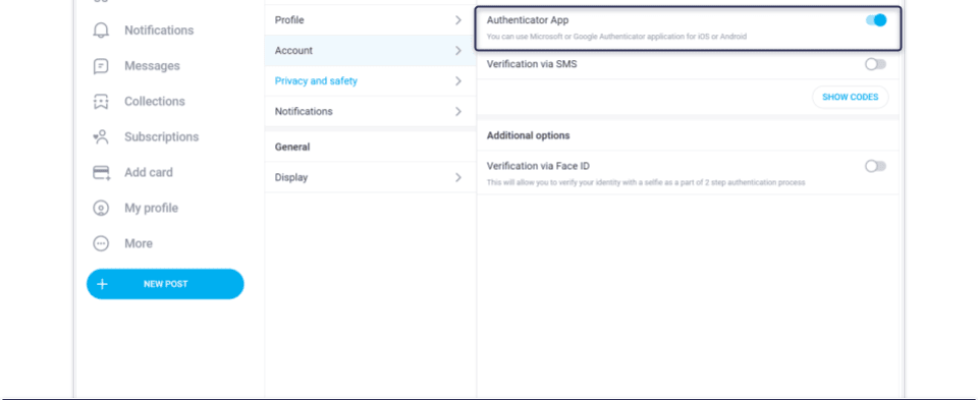
Finally, keep basic account hygiene in place. Enabling two-factor authentication in settings takes a minute and protects the payment method attached to your unlocks. It is the same pattern used on any account that holds a card on file.

None of this makes a PPV offer good or bad on its own. It keeps the transaction side boring so the decision stays about the caption and the price.
FAQ
Is there a maximum price for a pay-per-view unlock?
PPV messages unlock up to $50. That is the ceiling for a single locked message on the platform, and offers at that level are uncommon. Most sit far below it, and the base subscription range is separate: $4.99 minimum to $49.99 maximum on paid pages.
Do PPV prices differ between free pages and paid pages?
They can. A $0 page relies on PPV messages and tips for revenue, so its locked offers may be more frequent and priced more aggressively. A paid page already collects a subscription, so its PPV offers often play a smaller role.
Can I ask what a locked message contains before buying?
Yes, and creators often answer. Paid chat commonly runs $3 to $5 per message, so the question itself may cost something. If the reply is still vague, treat that as the answer and skip the unlock.
Why do two similar pages charge different PPV prices?
Pricing reflects audience size, how much content is included, and how the creator positions the page. A page with a large free following can charge more per unlock because fewer buyers are needed, so identical-looking pages can sit in very different price bands.